The Art of Elevation: How to Make Any Gift Feel Utterly Luxurious
We’ve all been there. You spend weeks scrolling, researching, and agonizing over the perfect gift for Dad—the man who deserves recognition but whose tastes are so reliably him. Maybe you finally found something great at a discount store, or perhaps it was just a nice gag gift that seemed appropriate in the moment. In either case, when you look at the item sitting on your desk, nestled in cheap cellophane, there’s a little knot of guilt: Is this enough? Does this feel thoughtful enough to convey how much I actually care?
This is a universal gifting dilemma. We want our thoughtfulness to translate into something that feels elevated—something that screams, "I paid attention." Luxury, for the gift-giver, often doesn't mean an extravagant price tag. It means curation. It means making sure the recipient experiences the item in a way that makes them pause and appreciate the effort.
If you feel like your heartfelt appreciation is currently packaged as a collection of mismatched novelty items, take a breath. You don’t need to empty your savings account to solve this problem. You just need to change your approach. This isn't about buying fancy things; it's about mastering the art of elevation.
The Three Pillars of Giving: Beyond the Object
When we think "luxury gift," our minds often jump straight to diamonds or crystal decanters. But true luxury in a gift is an experience, and that experience rests on three pillars: Presentation, Sensory Depth, and Personal Narrative. If you nail these three areas, even a simple item can feel monumental.
1. Mastering the Unboxing Ritual (The Presentation)
A generic gift delivered in a standard Amazon box loses half its value before your father even opens it. The reveal is paramount. Your packaging needs to act as an introduction—it should set expectations of quality and care.

What makes presentation feel luxurious?
- Layering: Don't just wrap it once. Use tissue paper, a ribbon that complements the color scheme (not just "red"), and perhaps even a handwritten note tucked inside the final layer.
- The Signature Element: Include one small, unexpected element that feels bespoke. This could be a custom wax seal on the card or a single, perfect sprig of rosemary tied to the bow. It signals intentionality.
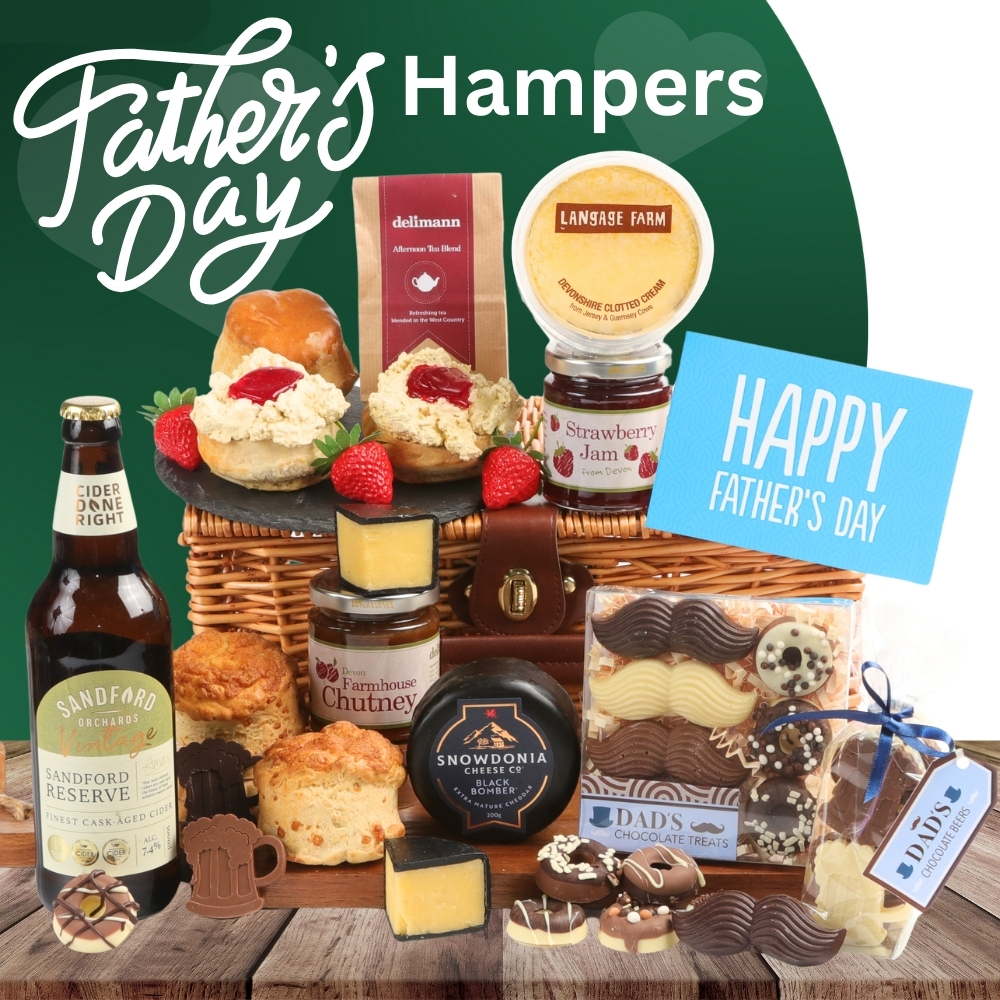
- Elevated Containers: Instead of simply handing over items, consider presenting them in something reusable. A nice wooden box, a leather-bound tin, or an antique-looking basket elevates the gift from a transaction into a keepsake.
I remember years ago trying to find a decent birthday gift for my father. I settled on a mediocre novelty coffee mug and packaged it in foil. He smiled politely, Premium Wine but the moment felt flat. The next year, I realized the mug was meaningless until I paired it with a small bag of single-origin beans from a local roaster and placed them in an old wooden tackle box. That simple change—the container itself—transformed the gift into a tasting experience.
2. Curating for Depth: The Power of Pairing (The Experience)
If your initial item is modest, don't just give it. Give it a context. This is where you shift from giving an object to gifting a moment. For the gourmet-loving dad, this means creating "pairing kits."
Luxury consumables are inherently elevated because they require tasting and contemplation. How can you make that happen?
- The Perfect Trio: Instead of buying just one nice chocolate bar, select three different types (e.g., salted caramel, dark cherry, chili pepper) from a local chocolatier. Present them with a small card explaining why these three flavors work together.
- Beverage Pairings: If he likes whiskey, don't just buy the bottle. Include two fancy rocks glasses and a specific gourmet cocktail recipe printed on parchment paper. The gift becomes about the ritual of mixing and sipping.
- The Taste Map: This works for almost anything. Select three related items—three different types of artisanal mustard, three complementary spices for grilling, or three mini-bottles of high-end olive oil—and arrange them like a miniature exhibit.
Injecting Sentimentality: The Narrative Connection
This is the most critical step and often the hardest to execute when you’re under pressure. The truly luxurious gifts are those that tell a story about your relationship, or about his interests in general. This requires looking at what makes him him.
Do you remember how he always struggled with assembling IKEA furniture? Instead of getting him another tool set, maybe the gift is a beautifully bound "Dad Project Log"—a journal where you've pre-filled pages with notes like, "Here’s to surviving this year's garden project..." or "A record of your best grill smoke recipes."
It doesn't have to be fancy. It just needs to feel curated for his life.
Consider asking yourself: What is something he talks about constantly? What does he complain about needing more time for? Use that answer as the anchor point, and then select a few high-quality elements around it. If he loves history, gift him a beautifully printed book paired with an artisanal bookmark and Check over here maybe tickets to a local museum exhibit—all presented in a rolled scroll tied with twine.
The Final Polish: Sensory Signals of Quality
Sometimes, you just need one item that speaks for itself. When selecting single items, focus on maximizing the sensory signal they send. This is about quality perception, not inherent value.
- The Weight Test: Luxury often feels heavy. Choose products with satisfying heft—a weighty fountain pen, a solid leather cardholder, or thick, substantial glassware.
- The Aroma Factor: Scent is the most powerful memory trigger. If you're buying soap, candles, or even coffee beans, choose complex, natural scents (sandalwood, cedar, single-origin notes) over overly sweet or synthetic ones.
- The Source Story: Always ask: Where did this come from? Who made it? Knowing the origin—whether it's a small farm in Vermont, a specific region of Italy, or a local craftsman’s workshop—adds immediate value and depth to the item you are presenting.
Ultimately, giving a gift is an act of communication. You are communicating: “I see you. I pay attention.” By elevating your presentation, deepening the experience, and rooting everything in your shared narrative, you transform an adequate purchase into a deeply treasured keepsake—no matter how simple the original item was. That effort? That's priceless.